


Best Achalasia-Cardia Treatment In Pune | Dr. Samrat Jankar
Achalasia-Cardia Treatment In Pune
The “Achalasia-Cardia” is a very rare disease but the number of Achalasia-Cardia patients is increasing day by day. Achalasia, also known as esophageal achalasia, is a condition in which the esophagus (the tube that carries food from the mouth to the stomach) is unable to move the food into the stomach. The lower esophageal sphincter (LES) is a ring of muscle fibers that surrounds the lower end of the esophagus where it joins the stomach. The LES acts like a valve between the esophagus and stomach, preventing the backflow of food. In people with achalasia, the LES fails to relax during swallowing, resulting in the food moving back up into the esophagus.
In the last year, Kaizen Gastro Care experts treated more than 50 patients who were suffering from Achalasia-Cardia. This is the big number of average patients with Achalasia-Cardia disease. Kaizen Gastro Care” offers advanced comprehensive treatment & Management of the Achalasia-Cardia condition. What’s special at kaizen gastro care is both Dr. Vikrant Kale (Expert in endoscopy) and Dr. Samrat Jankar (expert in laparoscopy) work under one roof, very less likely biased for a particular procedure. Kaizen gastro care is the best center for Achalasia cardia treatment in Pune.
On this Page, Dr. Vikrant Kale and Dr. Samrat Jankar shared information here about the Achalasia-Cardia condition, why they develop, the problems they can cause, and how they should treat by us
What is achalasia-cardia?
When you swallow the food you chew, it travels from your mouth through a muscular tube (esophagus) to your stomach. The LES (lower esophageal sphincter) is a ring of muscle that connects your esophagus to your stomach.
This muscle relaxes and opens to let food into your stomach and then tightens and closes to keep the stomach contents from backing up into your esophagus.
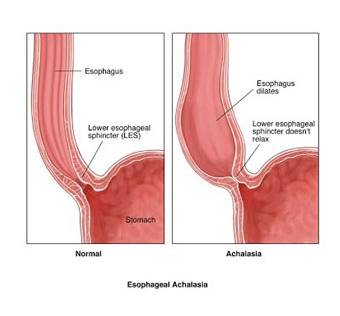
Achalasia Cardia is a rare disorder where there is the absence of relaxation of the lower oesophageal sphincter leads to difficulty in swallowing food, even liquids in the later stage of the disease. Achalasia symptoms develop slowly, with symptoms lasting for months or years.
Kaizen Gastro Care experts say that this is sometimes mistaken for GERD (gastroesophageal reflux disease). However, the food in achalasia comes from your esophagus, whereas the stuff in GERD comes from your stomach. Dr. Samrat Jankar is an acclaimed surgical gastroenterologist who is highly respected and trusted for providing one of the best achalasia-cardia treatments in Pune.
Who can get achalasia-cardia?
Achalasia-cardia has no known origin; however, it could be caused by injury to the nerves that assist the functioning of your throat, esophagus, stomach, and other sections of your digestive system.
What damages these nerves and impacts their ability to function is unknown, but heredity, autoimmune illness, and even infections have all been suggested possibilities.
Achalasia affects roughly 1 out of every 100,000 persons globally each year. It is most typically detected in adults in the age group of 25 – 60, but it can also affect youngsters (fewer than 5 % of cases are seen in children below 16).
The eminent laparoscopic surgeon, Dr. Samrat Jankar, who is known for providing reliable and effective achalasia-cardia treatment in Pune, says that no ethnic or racial groups are more affected than others. It can affect both men and women equally.
The disease does not pass down in families (except maybe in a rare type of disorder). When heredity is thought to be a cause in the very rare types of this illness, people born biologically as a male have twice the chance of being affected than people born as a female.
People that have the following qualities are also more susceptible:
- identical twins
- first degree relatives (parent, sibling, or child) with genetic disorders like Parkinson’s disease and Down syndrome
Other possible links to the development of this condition include things like:
- Anorexia – a severe psychological eating disorder that makes a person restrict food intake to maintain a dangerously low weight
- Lymphoma – cancer that starts in your immune system cells
- Chagas disease – caused by a parasite that is transmitted by Triatominae bugs that are only found in Central and South America and Mexico
- Neurodegenerative disorders – caused by damage to your nervous system and cells
- Spinal cord injuries – damage to your spinal column’s ligaments, vertebrae, discs, or the spinal cord itself
- Stomach or gastric cancers – when cancer cells grow uncontrollably in your stomach
If you or a loved one wants to avail one of the best achalasia-cardia treatments in Pune, please visit the highly-experienced gastroenterologist Dr. Samrat Jankar.
What are the symptoms of achalasia-cardia?
Achalasia-cardia is mainly characterized by difficulty in swallowing. The muscle aperture (opening) that connects your throat and stomach does not open and close as it should. Due to this, food gets trapped in your esophagus and finally passes back up into your mouth.
Not only can trouble swallowing create nutritional deficiencies, but it can also induce a variety of additional symptoms, including:
- Difficulty in swallowing food or even water
- The sensation of food stuck up in the chest
- Regurgitation of undigested food
- Gradual weight loss.
- Some may face pneumonia and
- You can also face vomiting.
These achalasia-cardia symptoms can cause malnutrition and weight loss.
The fistula specialist, Dr. Samrat Jankar, adds that persons with achalasia-cardia may also get pneumonia due to aspirating (inhaling) food into their lungs. People with this illness appear to have an increased risk of acquiring esophageal cancer.
Dr. Samrat Jankar is a much sought-after surgeon in treating procedures including bariatric surgery, colorectal surgery, hernia surgery, and treatment for achalasia-cardia in Pune.
Is achalasia-cardia a severe disorder?
Yes, achalasia-cardia can be highly problematic, mainly if left untreated.
Achalasia can result in significant weight loss as well as malnutrition. If you have achalasia, you will find it increasingly difficult to eat solid foods and drink liquids. Achalasia patients have a slightly higher risk of esophageal cancer, especially if they have had the illness for a long time.
Regular esophageal screenings may be recommended by your healthcare professional to detect cancer early if it develops.
If you are diagnosed with this condition, you must get achalasia-cardia treatment for a disorder of the esophagus.
Please do not hesitate to get in touch with the famous Dr. Samrat Jankar for a safe and effective achalasia-cardia treatment in Pune.
How to diagnose Achalasia-Cardia?
When you came to Kaizen Gastro Care, Wakad for the above-mentioned symptoms then our experts Dr. Vikrant Kale and Dr. Samart Jankar recommend some of the tests for confirmation about the Achalasia-Cardia disease such as
- Upper endoscopy: This test helps rule out cancerous (malignant) lesions as well as assess for achalasia.
- Barium study: will help to diagnose Achalasia cardia
- Manometry: This test measures the timing and strength of your esophageal muscle contractions and relaxation of the lower esophageal sphincter (LES). This is the most recommended test for the diagnosis of the “Achalasia-Cardia”
What is the achalasia-cardia treatment in Pune?
In kaizen gastro care treatment of achalasia is patient-centric, here both Dr. Vikrant Kale and Dr. Samart Jankar best gastroenterologists in Pune, and advanced laparoscopic surgeons plan treatment for every patient based on many factors such as age, health conditions, type of achalasia and severity of the disorder so the treatment will be most tailored for a particular patient with most effective result.
Surgery and medicines can be used based on the intensity of the problem and how well the patient can tolerate a surgical procedure.
Non Surgical procedures
The following non surgical methods can be used to treat people with a low risk of surgical complications:
Medications
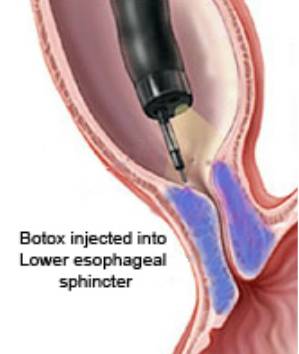
Medications such as muscle relaxants and nifedipine or isosorbide are sometimes used to treat achalasia-cardia symptoms. Changes in the texture and thickness of foods and liquids may also be beneficial. Botulinum toxin injections via an endoscope tube are also an option. This treatment is typically reserved for those who cannot endure surgery or have a poor prognosis.
Balloon dilatation of Achalasia:
A balloon is placed into the esophagus and expanded to broaden the opening of the LES (lower esophageal sphincter). Now a day this procedure is absolute, hardly a few doctors perform this procedure as its need multiple setting for relief of symptoms, and has a higher risk of complications such as esophageal perforation.
Botulinum Toxin (Botox) Injection:
Injection of botulinum toxin into muscles causes temporary paralysis of the specific muscle, which lasts for months to over one year. It’s a temporary treatment, associated with its own set of complications so this treatment is typically reserved for those who cannot undergo surgery or have a poor prognosis or have a short life span.
Surgical procedures
Laparoscopic Heller myot
Today's Top Posts
-
 46 access_time
Various kinds of Delivery service and Pickup Truck Services
-
37 access_time
The Reason Why Everyone Is Obsessingabout Cherry Edible
-
35 access_time
How The Video Production Company Can Support You
-
24 access_time
Mastering Email Marketing Strategies for Business Professionals
-
24 access_time
Diverticular Disease Treatment in Pune- Kaizen Gastro Care
-
24 access_time
Here's What People Are Saying About House Of Shrooms
-
22 access_time
How Lodestar Helps Startups Navigate Financial Planning and Compliance
-
21 access_time
phpFox - Powered By PHPFox
-
16 access_time
Krisumi Waterfall Residences & Real Estate
-
14 access_time
Get Why Hire Bookkeeping Services?


