


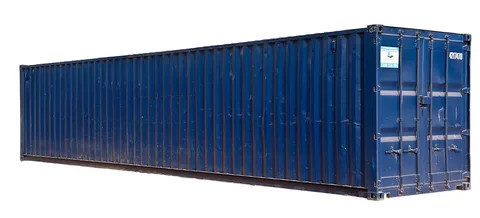
Shipping Container Parts and Accessories
Conquest Steel & Alloys is pleased to provide our customers a wide selection of shipping container parts and cargo management supplies. Conquest Steel & Alloys supplies the bridge fittings, manual and dovetail twist locks, and other shipping container security equipment you want. The same high standards that we use to create every other item in our inventory are applied to the production of all of our shipping container parts, locking pins, and accessories.
You are aware of the value of Shipping Container Parts, locking pins, and accessories whether you are transporting intermodal freight or other kinds of cargo. A ready supply of replacement parts could mean the difference between delivering a shipment on time and having to lose time waiting for an annoyance to be fixed while waiting on the side of the road.
The Main Structural Components of Shipping Container Parts
All of these parts transfer weight and racking forces whether a box is full or empty, whether it is being transported by truck or at sea on a trailer. The state of a container is significantly influenced by repairs that are inevitable during a container's lifetime. There are too many to list here; this is but one example. I'll now discuss some of the real parts.
The Roof: constructed with corrugated profiles and corten steel sheets to offer the roof rigidity and strength. Pitting and bubble rust, which can result in tiny pinholes forming around the corroded area if the box is dropped too forcefully, are weaknesses here in older units.
Side Wall Panels: made from corrugated steel profiles on corten steel sheets for rigidity and strength. Again, older units may be more susceptible to rusting along the weld seam connecting the top half of the bottom rail and the lower half of the panel at the bottom. The roof is less noticeable than this.
Floor and Cross members: Laminated marine plywood measuring 28 mm makes up the floor. Weaknesses in this structure would be faulty flooring installation, or a piece of plywood flooring that is too short and does not cover three cross members. This may cause the structure to droop and crack.
Cross members and forklift pockets are structural elements that are visible from underneath the container and make up the floor. They too may bow beneath the bottom face of a corner casting in addition to the problems mentioned above.
4) Top and Bottom Rails: The container's frame is made up of the rails. Top rails can be made out either 10mm flat bar profiles or box section profiles. Top rails and bottom rails should both be free of fractures at the weld sites where the rail joins the casting.


