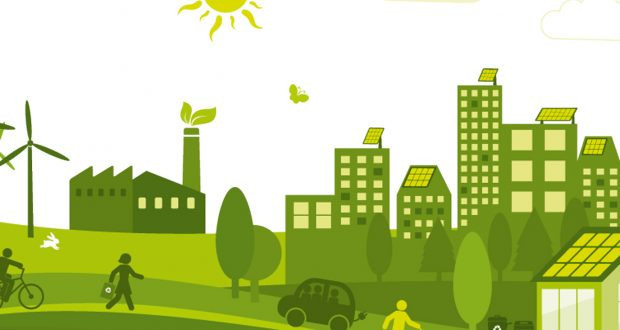
Carbon neutrality is a goal to reduce the net emissions of carbon dioxide and other greenhouse gases to zero. This can be achieved through a variety of methods including reducing emissions through energy efficiency, using renewable energy sources.
Carbon neutrality is the ultimate goal of reducing the amount of carbon dioxide released into the atmosphere. This involves reducing the amount of carbon dioxide we produce as well as offsetting what is released by capturing and storing carbon dioxide from other sources. Achieving carbon neutrality involves using a combination of renewable energy sources such as solar and wind, switching to electric vehicles, reducing waste, improving energy efficiency, and planting trees. It also involves the implementation of carbon pricing, taxation, and regulations to reduce emissions. With concerted efforts from individuals, businesses, and governments, we can move towards carbon neutrality and create a more sustainable future for all.