Gold jewelry has been prized for its beauty, rarity, and value for thousands of years. The allure of gold is so strong that it has been used as currency, traded, and coveted by people across different cultures and periods. The unique and precious properties of gold make it an ideal material for jewelry-making, and its enduring appeal has made it a symbol of wealth, luxury, and status. Whether it's a simple gold chain or an intricate gold bracelet, gold jewelry has a timeless beauty that transcends trends and fads, making it a treasured possession for generations to come.
Historical Significance of Gold Jewelry
Gold has been used for jewelry-making since ancient times, with evidence of gold artifacts dating back to over 4000 BCE. Throughout history, gold has been a symbol of wealth, power, and status, and it has been used to create some of the most remarkable and iconic pieces of jewelry.
One of the earliest examples of gold jewelry comes from ancient Egypt, where pharaohs were buried with intricate gold pieces, including ornate necklaces, bracelets, and burial masks adorned with gold. The Tutankhamun's burial mask, discovered in 1922, is one of the most famous examples of ancient gold jewelry, featuring 24 pounds of solid gold and an array of precious gems.
In medieval Europe, gold jewelry was used to display wealth and social status, and it was often worn by royalty and the nobility. Many of the crowns, tiaras, and necklaces worn by kings and queens were made of gold and adorned with precious stones. The Crown of the Holy Roman Empire, made in the 10th century, is a notable example of a gold crown, featuring over 140 precious stones and weighing nearly 12 pounds.
In other parts of the world, gold has been used for jewelry-making for centuries, from ancient China and India to South America and Africa. In many cultures, gold jewelry was not only a symbol of wealth and power, but it was also believed to have spiritual significance and was used in religious ceremonies.
Value of Gold in Jewelry
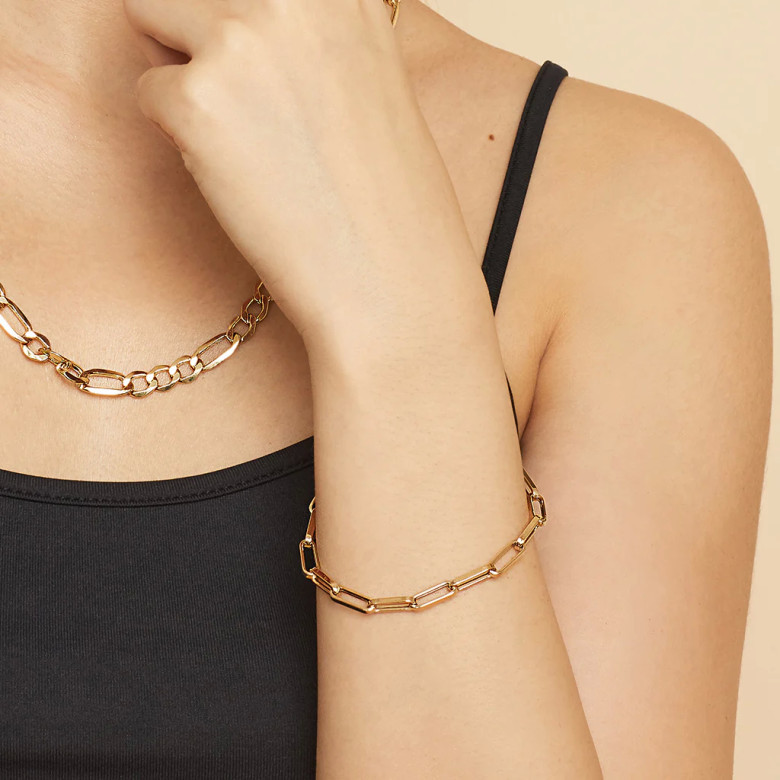
Gold is highly valued in jewelry-making for a variety of reasons. Its soft, malleable nature makes it easy to work with, allowing jewelers to create intricate designs and details. It is also highly resistant to tarnishing and corrosion, ensuring that gold jewelry maintains its shine and luster for years to come.
There are various types of gold used in jewelry, including 10K, 14K, 18K, and 24K. The purity of gold is measured in karats (not to be confused with carats, which is a unit of weight used for gemstones). Pure gold is 24 karats, but it is too soft to be used in jewelry, so it is often alloyed with other metals such as copper, silver, or zinc to make it more durable.
10K gold is the lowest purity level of gold used in jewelry, consisting of 41.7% pure gold and 58.3% other metals. 14K gold is the most common purity level, consisting of 58.5% pure gold and 41.5% other metals. 18K gold is 75% pure gold and 25% other metals, while 24K gold is 99.9% pure gold and is rarely used in jewelry-making due to its softness and high cost.
Timelessness of Gold Jewelry
Gold jewelry is a timeless classic that has remained popular throughout history, and its appeal has endured for generations. One of the reasons for this is its versatility; gold can be used to create a wide range of designs and styles, from simple and understated to ornate and elaborate.
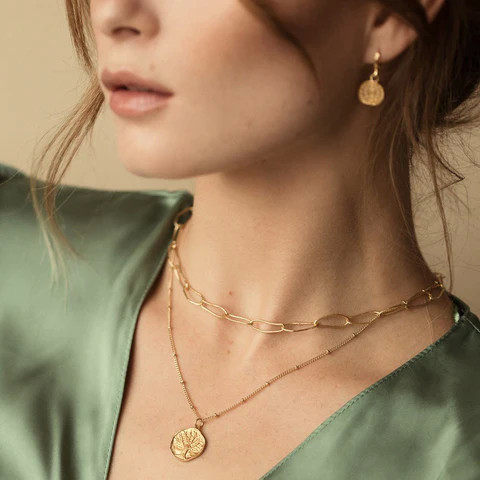
Gold jewelry has been a staple of human adornment for thousands of years, and many famous gold jewelry designs have stood the test of time. The ACE of Spades is one such example, with its iconic spade shape and delicate chain making it a popular choice for both men and women. The Tiffany Setting engagement ring is another classic gold jewelry design that has remained popular since its introduction in 1886. Its simple, elegant design has become a symbol of timeless love and commitment.
The appeal of gold jewelry also extends beyond its aesthetic qualities. Because gold is a precious metal, it is often associated with wealth, power, and luxury. This gives gold jewelry a sense of prestige and value that is hard to match with other materials.
Gold jewelry also has a special significance as a gift that can be passed down through generations. Because gold retains its value over time, it can be an excellent investment as well as a cherished family heirloom. A gold necklace or bracelet given as a gift can become a beloved family treasure that is passed down from parent to child, becoming an important symbol of family history and tradition.
Gold jewelry is especially popular for weddings, and it's not hard to see why. The warm glow of gold complements any bridal gown, and a gold necklace, bracelet, or earrings can be the perfect finishing touch to a bride's look. In addition, gold jewelry is a great way to capture the beauty of the wedding day in photos. The warm tones of gold add a special touch to wedding photos, and a stunning gold necklace or bracelet can be the perfect accessory to complete the bride's look.
Photography of Gold Jewelry
Photography is another medium that can capture the timelessness of gold jewelry. Photographs of gold jewelry can serve as a visual record of its beauty and design, allowing us to appreciate it even when it is not physically present. A well-taken photograph can showcase the intricate details and unique qualities of a piece of gold jewelry, highlighting its craftsmanship and value.
Photography can also provide a way to document the sentimental value of gold jewelry. A photograph of a family member wearing a beloved gold necklace or ring can serve as a reminder of that person and their connection to the family, even after they are no longer with us. This makes photography an important tool for preserving memories and family history, just like gold jewelry itself.