


Top Paying Jobs
When someone describes their line of work as "working in finance" and then focuses on "Fintech," it leaves a lot of room for interpretation. It can be challenging to picture a financial planner's duties, at least for those who don't work in the field.
On the other hand, if someone claims to work in medical, it is rather simple to determine their area of expertise—they only need to state things like, "I'm a paediatrician" or "I study cardiology." The audience can then instantly visualise youngsters sneezing or beating hearts. Even though students lack medical experience, they may frequently analyse the advantages and disadvantages of various medical specialties based on their relevant knowledge as part of an effective brainstorming session.
A successful financial professional will undoubtedly be aware of their personal motivations for selecting forensic accounting over project accounting, much like a successful doctor. Even to those outside of the medical profession, the subtleties of a doctor's career choices are relatively clearer. However, the typical layperson like your Great Aunt Jean might not be able to offer much guidance along the road.
Aunt Jean might say that she just lacks sufficient knowledge of the distinctions between commercial banks, investment banks, brokerage firms, and other financial service providers if you ask her what kind of financial services she should pursue.
So who do you consult for help if you're trying to discover your position in finance? Do you apply anywhere?
If you work in the banking sector, you and your coworkers will understand that its connotations are nuanced and multifaceted. While it provides plenty of room to discover your "calling," friends and family who aren't involved in the field may not always be able to balance the advantages and downsides with you.
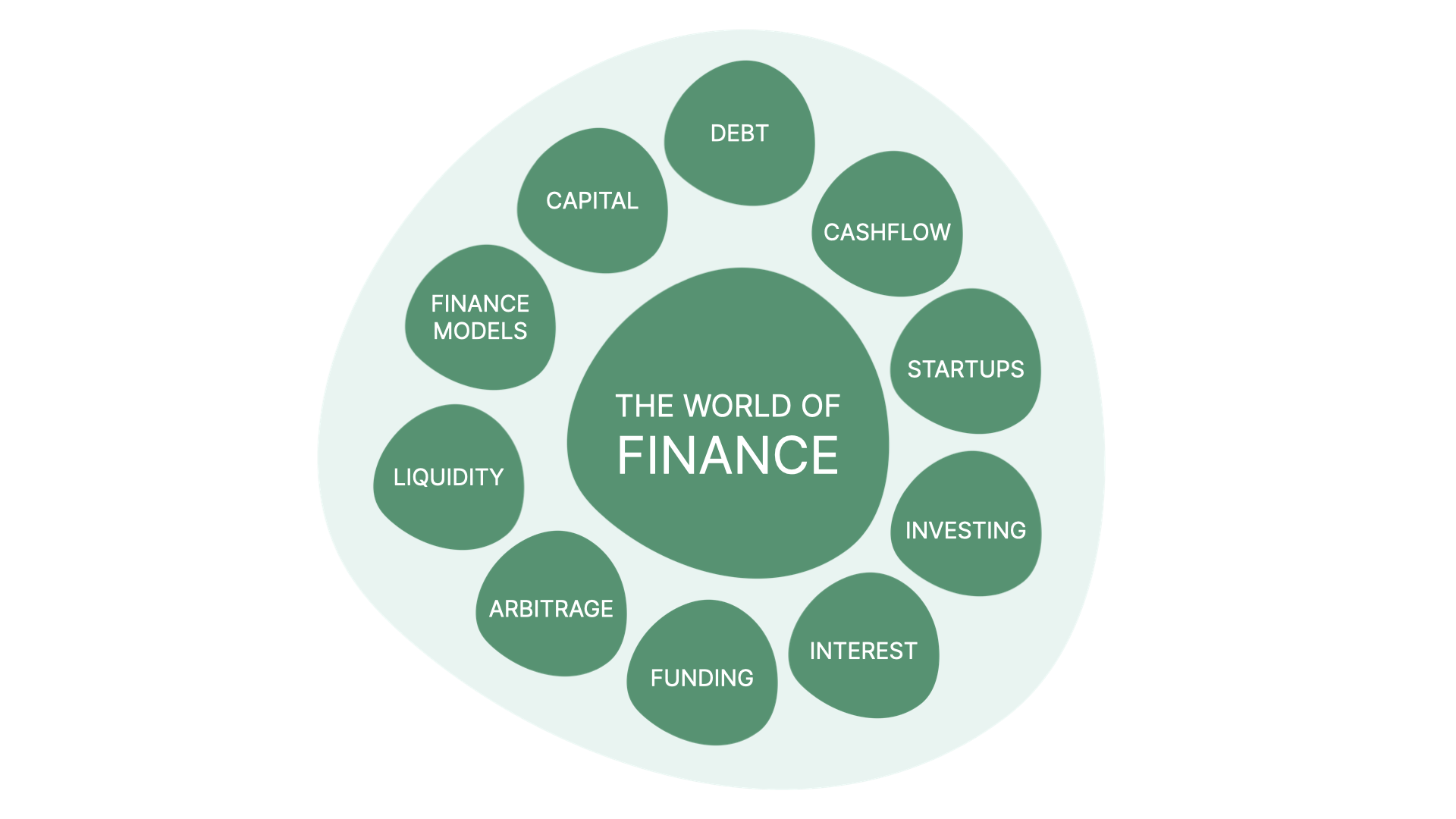
Therefore, the safer bet when looking for career advice in the finance field is to use your networking talents to find professional connections – people who are familiar with the ins and outs of financial transactions.
Your problems will be fully understood, even by your entry-level colleagues who may still have a lot to learn before claiming to be experts. They can help you think through issues like: Do I belong on the buy-side or sell-side of transactions? Should I work for a sizable company or as an accountant in other sectors of the economy?
Based on your unique abilities, hobbies, and desired remuneration, friends and mentors with a working knowledge of economics can help you productively identify your target employment.
Hey, talking about pay
You won't solely select the companies you apply to based on the salaries they offer. There is no shame in acknowledging that it influences the course you follow, though. Why? Account and investment management staff members take on a high-risk role, and they should be fairly compensated for it. Therefore, those who agree to work in fast-paced, stressful jobs like stockbrokers, insurance agents, quantitative analysts, etc., are paid extremely well. According to the effort they are making, it is!
Therefore, we are speaking to you, potential finance analysts:
To determine where you matter in financial affairs, or which financial services you are best suited for, talk to your network connections.
When you take on a role you are pleased of, be sure the risks you take have great rewards since you deserve to be compensated adequately.
You can consider the benefits and hazards of each position as you go through the following list of lucrative entry-level, high-level, and executive finance positions. Even if your current goal is to get an entry-level position, think about the high-level positions you'd like to eventually pursue while you read.
The Top 10 High-Paying Finance Jobs According to Jackfruit for 2022 include: 1. Investment Banking Analyst, Entry Level
Salary: The average yearly wage for investment banking analysts in the US is $85,106.
Role: Investment analysts do risk analysis and market research for certain industries. Additionally, they develop valuation models and share their findings with the investment bankers on their team so that they may advise customers on profitable investment decisions.
Benefits: The average IB Analyst works for two to three years before being promoted to an associate position. It's the ideal opportunity for new finance graduates who are unsure of their career path to obtain a competitive edge through useful work experience and regular exposure to various subsectors.
Cons: The required weekly time commitment for IB analysts may reach 100 hours.
2. Entry-Level Budget Analyst
Salary: The average yearly wage for budget analysts in the US is $65,723.
Role: In order to determine the budget of a public or commercial organisation, budget analysts collaborate with project managers. They assess and approve the expense requests of the management team, make sure that financial rules and laws are followed, keep an eye on company spending, and forecast future financing requirements.
Advantages: Budget analysts often commit to 40-hour work weeks without assignments extending into their evenings or weekends.
Stable Employment Possibilities: According to the Bureau of Labor Statistics (BLS), between 2020 and 2030, there will be an increase in job opportunities for budget analysts of 5%.
High stakes: If an analyst's estimations are inaccurate, it could negatively effect the development and success of their company.
Little Creativity: These jobs, like many in finance, are routine and don't allow much potential for innovation.
3. Entry-Level Financial Analyst
Financial analysts make an average of $63,514 per year in the US.
Financial analysts have the responsibility of accurately forecasting an organization's future requirements by carefully examining its prior income, cash flow, expenses, and sales. They then develop comprehensive financial models and share them with executive management in order to assess how to address structural problems and foster business expansion.
Communication: Since financial analysts handle confidential information, they are in a unique position to get to know senior management.
Benefits: Financial Analysts have many opportunities to earn incentives and share-based pay because they play such a significant part in developing a company's growth plan and analysing strong investments.
Cons: High-Pressure: Managing a company's transactions and handling its private information results in numerous high-stakes situations.
Financial analysts must be willing to put in anywhere between 50 and 70 hours per week.
The following abilities are possessed by a well-rounded research analyst:
Accountant — Entry Level. Image Source: Corporate Finance Institute 4.
Accountants make an average of $58,819 per year in the US.
Role: Accountants guarantee that an organisation remains in conformity with laws and regulations, that all bookkeeping requirements are satisfied, and that all transactions are completed without hiccups by applying rigorous mathematical and organisational abilities. They are responsible for conducting audits, comparing bank statements, calculating and timely paying taxes, processing payroll, mailing invoices, and other duties.
Benefits: Plenty of Opportunities: Accounting positions are exceptional in that they are required by all types of enterprises, not just banks, hedge funds, insurance firms, etc. Accountants can choose to work for businesses of all sizes and industries, such as nonprofits, start-ups, advertising firms, and so on.
Possibilities for Long-Term Employment: According to the BLS, employment of accountants and auditors is expected to increase by 6% during the following ten years. The average pace across all vocations is faster than this rate.
Cons: Seasonal crunch times: Beginning in January and continuing through April 15th, Tax Day, accountants' workloads considerably increase.
5. Entry-level | experienced "A Quant," or quantitative analyst
Pay: The average annual salary for quantitative analysts in the US is $116,234.
The role of quants is to use scientific methods and algorithms to predict market performance and set up automated trading. In order to identify patterns and signals that a human eye might miss, they use data science, statistics, and software development. Their overall responsibility is to analyse financial and risk management issues solely from the perspective of numbers and to draw conclusions devoid of human reason and feelings.
Pros: Intellectually stimulating: Quants are people who enjoy intellectual challenges. You must be able to survive in an environment with minimal supervision and under a lot of strain, as career counselling author Laura Bridgestock puts it. Success in this sector depends on merit and devotion, unlike many other jobs.
Future Possibilities: If they so choose, quants are well-positioned to branch out into other facets of finance.
Cons: High-Stake Choices: Quants are involved in some of the most risky financial decisions. They can be in charge of incurring significant financial losses if the model they develop has errors or misses signals.
6. Entry-level Financial Manager with Experience
Pay: The average annual salary for quantitative analysts in the US is $83,800.
Role: Financial managers are employed by big businesses and organisations like banks, insurance companies, and insurance firms. They produce financial reports on a regular basis, monitor investment operations, and encourage long-term growth to safeguard the company's financial stability.
Pros:
Possibilities for Long-Term Employment: The BLS forecasts a 15% rise in employment opportunities for Financial Manager positions between 2020 and 2030. These professions are among the highest-paying in finance.
Cons: Time Commitment: Compared to other finance positions, becoming a financial manager might take substantially longer (up to 7 years), as many businesses prefer applicants with an MBA.
7. An expert hedge fund manager
Hedge fund managers make an average of $136,723 per year in the US.
Managing a portfolio of high-risk investments is the responsibility of hedge fund managers, who also create an effective investing and risk management plan. A management chooses where to invest a pool of funds with the assistance of a team of their analysts and traders, while establishing contacts to attract new investors and communicating with current ones.
Long Workdays, Yet Not As Long: Hedge Fund Managers frequently work 12-hour days, which is still considerable but also satisfying, in contrast to the majority of investment banking employment, which require at least 12–16 hours a day.
Cons: Stock market volatility. In this situation, taking risks is key. For the sake of enormous wins and the ability to handle stressful situations, you must be robust against significant losses in order to succeed as a hedge fund manager.
8. A seasoned tax director
Salary: Tax directors in the US earn an average of $140,293 annually.
The role of the tax director is to develop and carry out a sound tax plan that conforms with both state and federal tax legislation. This entails keeping an eye on all tax-related activities to avoid being audited.
Advantages: Develops Entrepreneurial Skills You will communicate with internal and external auditors while working for another organisation, according to The World Finance Review. This is an opportunity for you to engage with people in the business and network in preparation for starting your own accounting firm.
Cons: Inconsistent Hours: Tax Directors, like accountants, have extremely hectic seasons near the conclusion of the fiscal year, which can make it challenging to maintain a personal life.
9. Experienced | Executive Controller
Pay: The average annual salary for controllers in the US is $96,312.
Financial controllers manage risks, carry out accounting duties, and release financial reports.
Pros:
Riches in Possibilities: Like accounting positions, controllers have a variety of companies and sectors outside the finance industry to pick from.
Cons: Not Very Stimulating: Because a controller performs the same tasks every day, there is little opportunity for originality or suspense in their work. Those seeking a positive finance position may wish to look elsewhere.
10. Executive Chief Financial Officer (CFO)
CFOs make an average of $119,798 annually in the US.
Role: When it comes to an organization's finance and accounting teams, chief financial officers are at the top of the food chain. The CFO can forecast and eventually decide where and when to invest firm funds by analysing the financial and operational data offered to their staff, while consulting their CEO and board.
Pros:
Priority: If you're a driven CFO, your personal success is probably entwined with the success of your company. Your position in the organisational structure of the company gives you the authority to increase business agility and encourage expansion.
Cons: Responsibility: It goes without saying that a company's CFO has a lot of responsibility. The stability of the company and, by extension, the financial security of its employees, depends on the enthusiasm and dedication of theirri.
In general...
Although the type of position you choose shouldn't solely depend on your pay, because the financial sector is so risky, you should understand the importance of the task you are doing.
Follow Jackfruit Jobtracker for more


