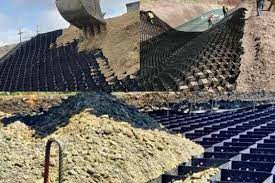
Creating innovative construction techniques that respect the environment is one of the biggest difficulties civilization has in the twenty-first century. Geosynthetic materials can therefore greatly enhance the utilization and preservation of nature when combined with other types of material. In this regard, geogrids are but one sort of 3D cellularly designed geosynthetic material. Non-Woven geotextile is quite popular these days and you can very conveniently find Non-Woven geotextile suppliers via the internet.
What is a Geogrid?
The term "geogrid" refers to a parallel set of interconnected tensile ribs with perforations large enough to allow the surrounding soil, stone, or other geotechnical material to go through them. Geogrids provide reinforcement, stabilization, and even filtration when you use them with the proper size aggregate infill. They consist of polymers including polyester, polypropylene, and polyethylene, and you can frequently use them in civil engineering applications.
In comparison to traditional stability solutions, geogrids offer a major quality increase because they can withstand both longitudinal and lateral confinement pressure.
Both vendors for geogrids and geocells are what you can easily find. When you use them on slopes and embankments, this material decreases the damaging effects of wind and surface water erosion. This is possible by the cell walls, which allow wind and water to move across the surface. The use of geogrid cells for hydroseeding protects potential roots when they are coated in topsoil. And nowadays, you can even easily find Geogrid Suppliers online.
Benefits of Geogrid Use
When used for soil reinforcement and ground stabilization, geogrids
-
When you compare it to a typical, unstabilized design, the aggregate layer thickness of an unpaved roadway can be lowered by up to 50% without degrading performance.
-
Your roads and pavements may last longer if you reduce the annual maintenance cost for renewing the asphalt course by over 50%.
-
By stabilizing slopes and enhancing soil strength, which will raise the bearing capacity of weak subgrades, you can promote seismic durability and safety.
-
Reduce movement and displacement of the rail ballast to increase performance, stabilize the track bed and rail ballast, and increase the bearing capacity of railroad projects. Less maintenance and up to 30% less foundation material will be required over the railway line's lifetime.
-
Provide a suitable option for poured concrete for load transfer and working platforms in locations with soft subgrades to prevent differential settling.
Different Features of Geogrid
The following are a few of the traits:
-
The collapse of ecological pressure is what you can avoid.
-
More solidity and quality at the intersection.
-
Lesser propensity to creep.
-
Effective draw-out and interface grinding together.
-
The use of solitary squares is not restricted.
-
Higher elasticity is produced by lower extension.
-
Protections from any harm
-
It is simple to inject.